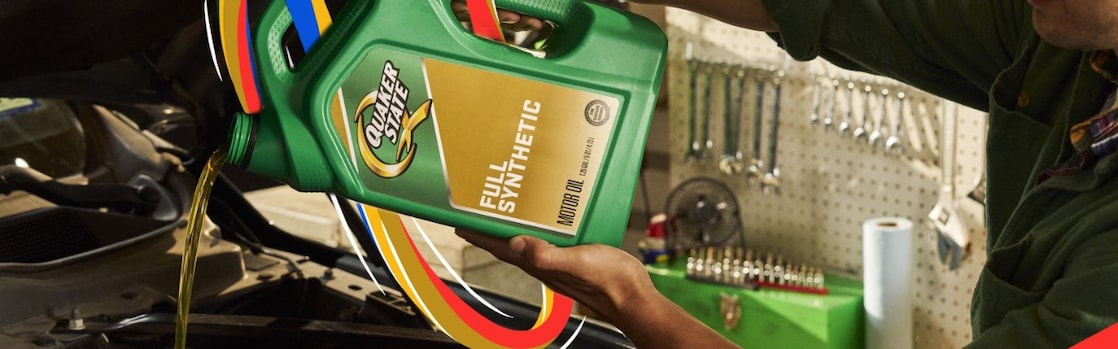
What Is The New ILSAC Oil Spec?
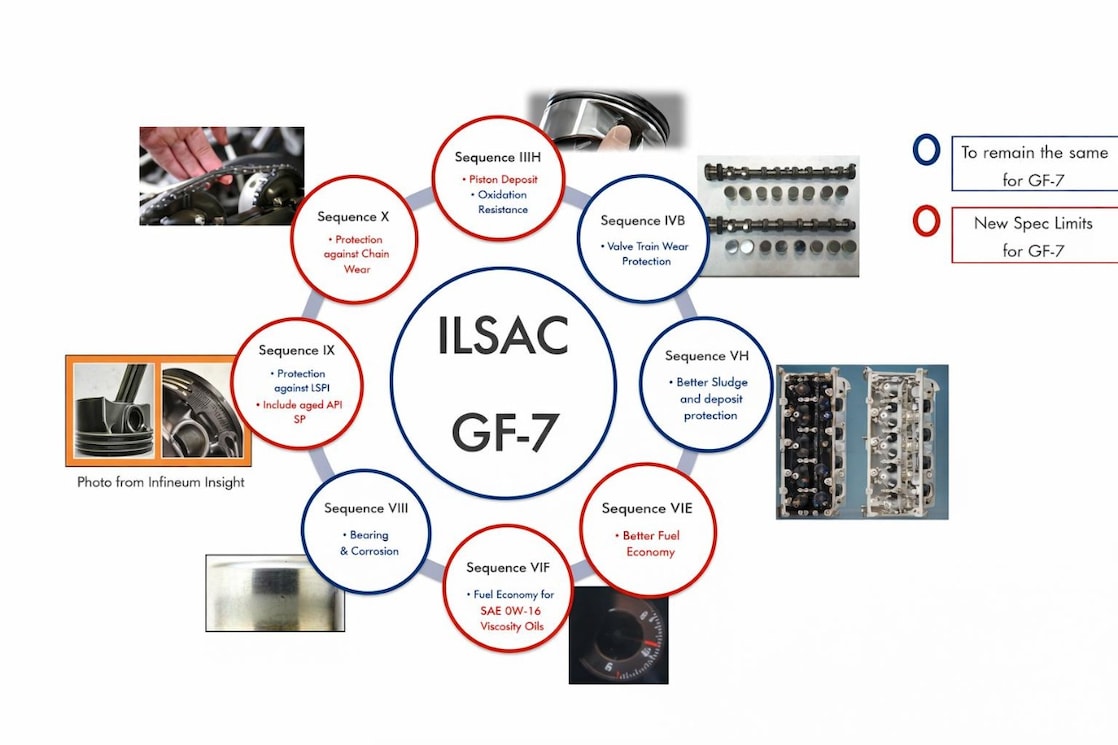
ILSAC specifications dictate engine oil advancements in additive technology. The most recent oil standard is called "GF-7" which is an update and replacement for "GF-6" regulations set by the EPA for 2026 model-year vehicles. The new ILSAC GF-7 oil standard builds on the previous GF-6 to deliver better fuel economy while protecting modern engines from LSPI, piston deposits, and timing chain wear. Quaker State® oil is dedicated to compliance. Starting March 31st, 2025 bottle labels began to reflect the newest standard.
Protection Against Low-Speed Pre-Ignition (LSPI)
For improved fuel economy and to meet emission regulations, Original Equipment Manufacturers (OEMs) are building hardware powered by smaller, Turbocharged Direct Gasoline Injection (TDGI) engines. In return, these engines require increased protection against Low-Speed Pre-Ignition (LSPI), cleanliness, and better wear protection. This is where the new GF-7 motor oil specification comes in. Quaker State offers oil products that meet the new requirements. Read on to find more answers to questions about ILSAC GF-7.
New Limits And Changes from ILSAC GF-6 to ILSAC GF-7
Motor Oil Specs On The Back Label
We make it easy to get your hands on the right oil by clearly providing details about our motor oil that shouldn't be overlooked. When shopping an auto parts retailer, notice that the front label of the familiar Quaker State® green bottle shows the viscosity and oil type. The back label provides more in-depth information about the oil specifications, standards, and guides to ensure the right oil is chosen.
- ILSAC GF-7A or GF&B and API specifications the oil meets.
- Help choosing the best fitting Quaker State® full synthetic oil.
- Lubricants Limited Warranty Information.
- Cash Back Program.
- Certifications such as the American Petroleum Institute.
For more information or questions regarding API standards, contact the Quaker State® Transport and Industry Customers Line at 1-800-332-6457..
Quaker State® GF-7A And GF-7B Oil Products
The below GF-7 products are backward compatible with previous motor oil specifications, meaning they are designed to work in older engines that call for a previous specificaiton such as GF-6, GF-5, or GF-4.
What Is The Difference Between GF-7A And GF-7B?
GF-7A and GF-7B are similar regarding general performance goals under ILSAC. The differences between the two include the vehicles they're intended for and viscosity range. Look for the icons which can also be found on QuakerState oil container labels.
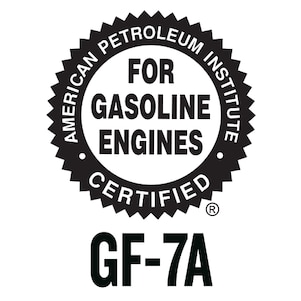
- Works for the majority of cars on the road.
- Fully backward compatible with GF‑6A and earlier ILSAC categories.
- Applies to most common viscosity grades (e.g., 0W‑20, 5W‑20, 5W‑30, etc.).
- Does NOT include 0W‑16.
- Oils meeting GF‑7A can display the API “Starburst” Certification Mark.
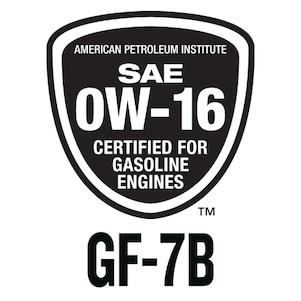
- ONLY applies to oils with viscosity grade 0W‑16
- Also backward compatible but only for vehicles approved for 0W‑16 oil.
- Using GF‑7B (0W‑16) in a vehicle not designed for it may not meet manufacturer requirements.
- Ultra‑low viscosity 0W‑16 only; carries the "Shield."
Takeaways For New Oil Standards
- ILSAC specifications dictate engine oil advancements in additive technology.
- How Quaker State is dedicated to new standards compliance.
- ILSAC GF-7 improvements over GF-6 offer superior fuel economy, better LSPI prevention, less piston deposit buildup, and enhanced timing chain wear protection.
- What the motor oil labels show regarding specifications like GF-7.
- What Quaker State products display the Seal from ILSAC and API.
What Is ILSAC GF7 and How Does it Expand on API SN Plus and GF-6?
What Is ILSAC GF7 and How Does it Expand on API SN Plus and GF-6?
The ILSAC GF-7 is the seventh generation of engine oil specification set by the International Lubricants Standardization and Approval Committee (ILSAC). This new specification replaces the former GF-6 and all previous categories with higher requirements on improved fuel economy performance and engine protection such as chain wear, piston cleanliness, and protection against Low Speed Preignition (LSPI); a protection that was introduced in the API SN Plus category. The new specification added a further layer of protection on LSPI by incorporating an aged oil protection of LSPI. These enhancements are the major improvements in the specification while still being backward compatible to previous engine oil specifications.
How Can I tell which Quaker State motor oils meet the new standard GF-7?
How Can I tell which Quaker State motor oils meet the new standard GF-7?
All current Quaker State Motor oils are required to meet the new GF-7 standard by March 31st, 2026. This is 12 months after the first introduction of the new category on March 31st of 2025.
What kind of lab validation does ILSAC GF-7A and GF-7B have?
What kind of lab validation does ILSAC GF-7A and GF-7B have?
The difference between GF-7 A and GF-7B is viscosity and fuel Economy Measurements; using ASTM Sequence VIE/VIF engine tests. GF-7A are assigned to engine oils that follow SAE 0W-20 up to 10W-30 weights. GF-7B are designations assigned to SAE 0W-16 and lower viscosities. Of course, both oils still need to pass all the other physical and performance testing required by the GF-7 specification.
Why is the GF-7B standard necessary?
Why is the GF-7B standard necessary?
There are many drivers to the new standard. But for GF-7B, there is the new introduction of SAE 0W-12 and 0W-8 into the market. GF-7B helps to introduce those new viscosities.
What is Low-Speed Pre-Ignition?
What is Low-Speed Pre-Ignition?
LSPI is an abnormal combustion event that occurs when pockets of unburned fuel and oil droplets ignite prematurely in the combustion chamber before the sparkplug fires. Unlike traditional engine knock, LSPI happens at low engine speeds and high loads, making it especially dangerous in downsized turbocharged engines tuned for maximum efficiency and torque.
An LSPI event can have catastrophic results: excessive pressure spikes, broken pistons, and, ultimately, complete engine failure. Protecting engines from LSPI is a high priority for vehicle manufacturers, oil marketers, and additive companies.
How do I know if my car needs an ILSAC GF-7 Motor oil?
How do I know if my car needs an ILSAC GF-7 Motor oil?
All motor oil of SAE weight from 0W-8 to 10W-30 will be required to meet the new GF-7 specification by March 31, 2026. Because GF-7 oils are designed to be backwards compatible; it can be used in older model engines as well.
How will I know if a motor oil is ILSAC GF-7 compatible?
How will I know if a motor oil is ILSAC GF-7 compatible?
Within the ILSAC and American Petroleum Institute (API) oil specification, it is required that all motor oil be compatible and the new oil specification be backwards compatible with all previous oil specifications. Thus, you can be assure that Quaker State motor oil is formulated to meet the need of your engine; following the oil recommendation by your engine manufacturer.